Verified resources
Resources to live better in Greece
Help for Afghan refugees in Greece: useful resources, health, procedures, housing, education, and reliable information.
Checked by our volunteers
Type in English, French or Dari. Results update as you type.
Resources
Essential guides
Practical and reliable information to support your integration in Greece.
View all resources
Legal
Applying for asylum
The steps of the claim, your rights and what changed with the EU Pact since June 2026.
Legal
Your documents
Applicant card, AFM, AMKA, PAAYPA, residence permit, travel document: what each one is for.

Life in Greece
Key topics & verified resources
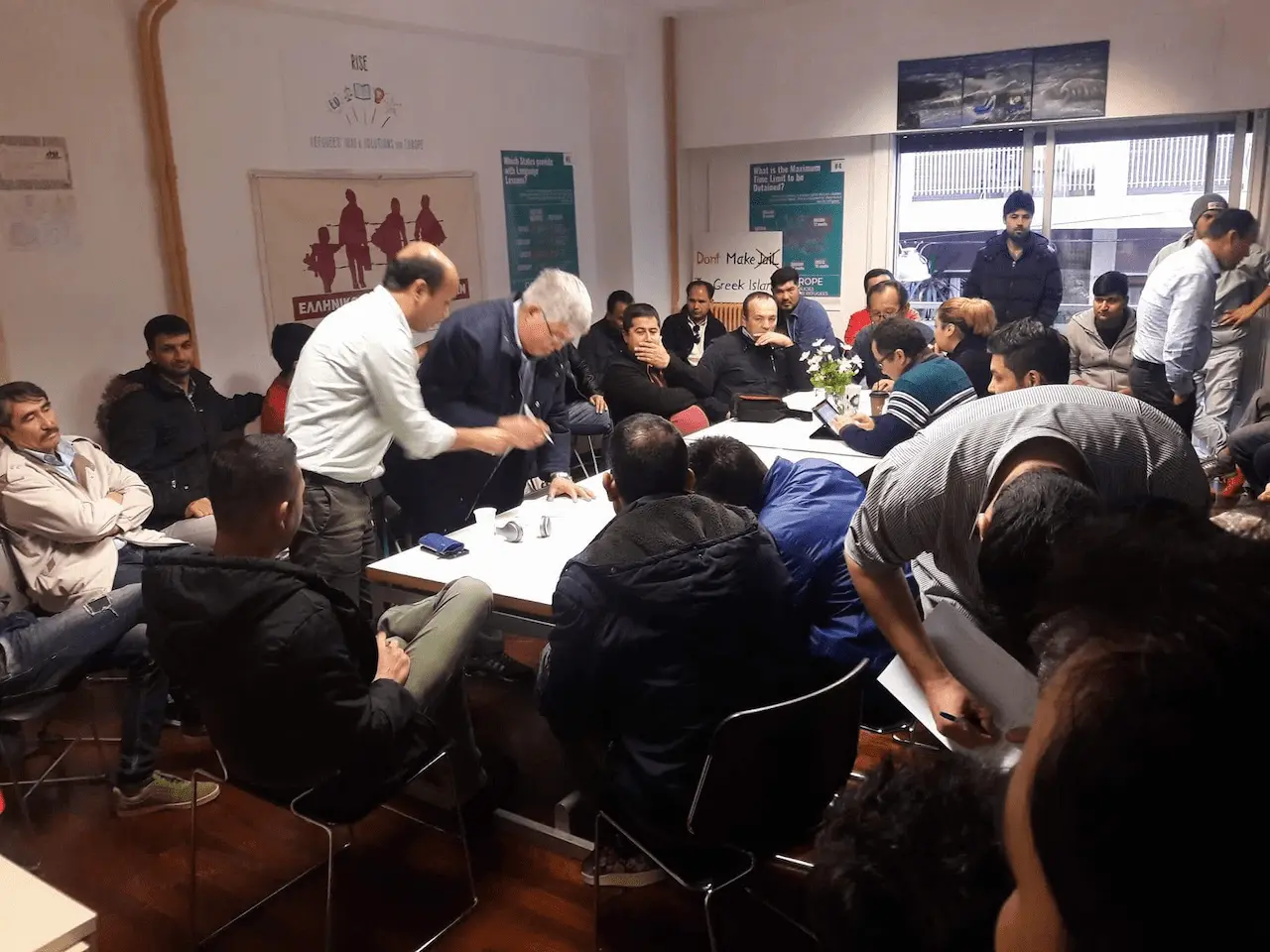
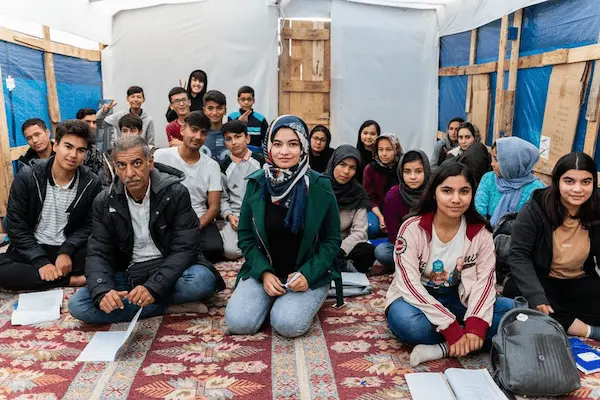
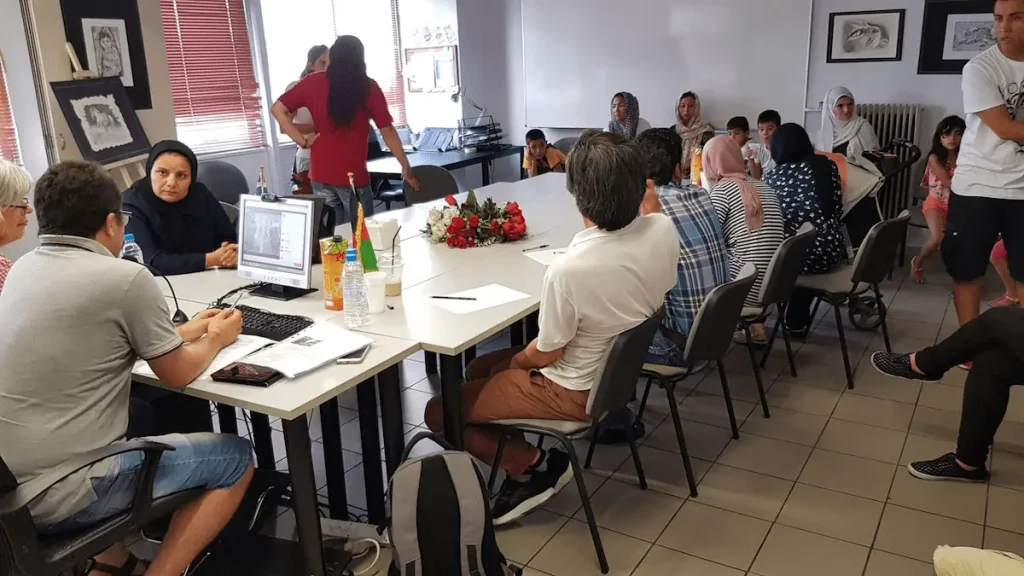
These resources help you organise important parts of life in Greece: housing, work, language learning, health, rights, and participation in social and cultural life.
No resource matches your search
Try another word, or ask us directly: a volunteer will answer you.
FAQ
Frequently asked questions
Quick and practical answers to essential questions about integration.
Can’t find your answer?
Write to us: a volunteer will answer and point you to the right resource.
Ask a questionHow can I apply for asylum?
Asylum applications are handled by the Greek Asylum Service. The procedure can take time, but you have rights at each stage. Prepare your story and documents carefully.
- Check the competent offices and opening hours.
- Gather your identity documents and all useful papers.
- Ask an NGO or lawyer to help you prepare for your interview.
For current steps, visit UNHCR Help Greece.
Where can I find a free doctor?
Some NGOs and public health centers offer free or low-cost consultations for refugees, asylum seekers, and people without insurance.
- Ask a community center or health NGO for guidance.
- Bring your asylum or residence documents to the appointment.
- Explain your symptoms clearly, even if your English or Greek is limited.
Organizations such as SolidarityNow or Caritas Hellas can help direct you to a doctor.
How can I enroll my children in school?
Refugee children have the right to education in Greece. Even if your situation is not fully stable, you can request enrollment in a public school.
- Find the closest school to where you live.
- Go to the school office with your identity documents and your children’s documents.
- Ask whether support or language classes are available for non-native speakers.
NGOs specialized in refugee education may also help you with these steps.
Which documents do I need to work?
To work legally in Greece, you usually need a valid residence document and a tax number (AFM). Some sectors may also require certificates or specific training.
- Check the work rights linked to your status.
- Apply for a tax number (AFM) through the competent services.
- Ask about contracts, minimum wage, and your rights as an employee.
Social integration centers and legal NGOs can explain your rights and review work contracts before you sign them.
Need additional help?
If you cannot find the answer here or your situation is complex, you can contact our team or one of our partners. No message is too small or too simple: every question matters.
- Describe your situation in a few sentences.
- Explain what you need most.
- Tell us how we can contact you again.
You can write to us through the Contact page.
Immediate support
Every minute matters. If you need help, our team is here to support you with respect, care, and responsiveness. We can connect you with partners for reliable information and support adapted to your situation.
